
The global commodities market is showing signs of a powerful resurgence, and many analysts believe we are entering a new metal super cycle. Driven by rapid industrialization, the energy transition, infrastructure expansion, and supply constraints, demand for key metals is rising at a pace not seen in decades. From copper and lithium to nickel and rare earth elements, metals are becoming the backbone of the modern economy.
In this article, we explore what a metal super cycle is, what is driving it, and which metals are expected to benefit the most.
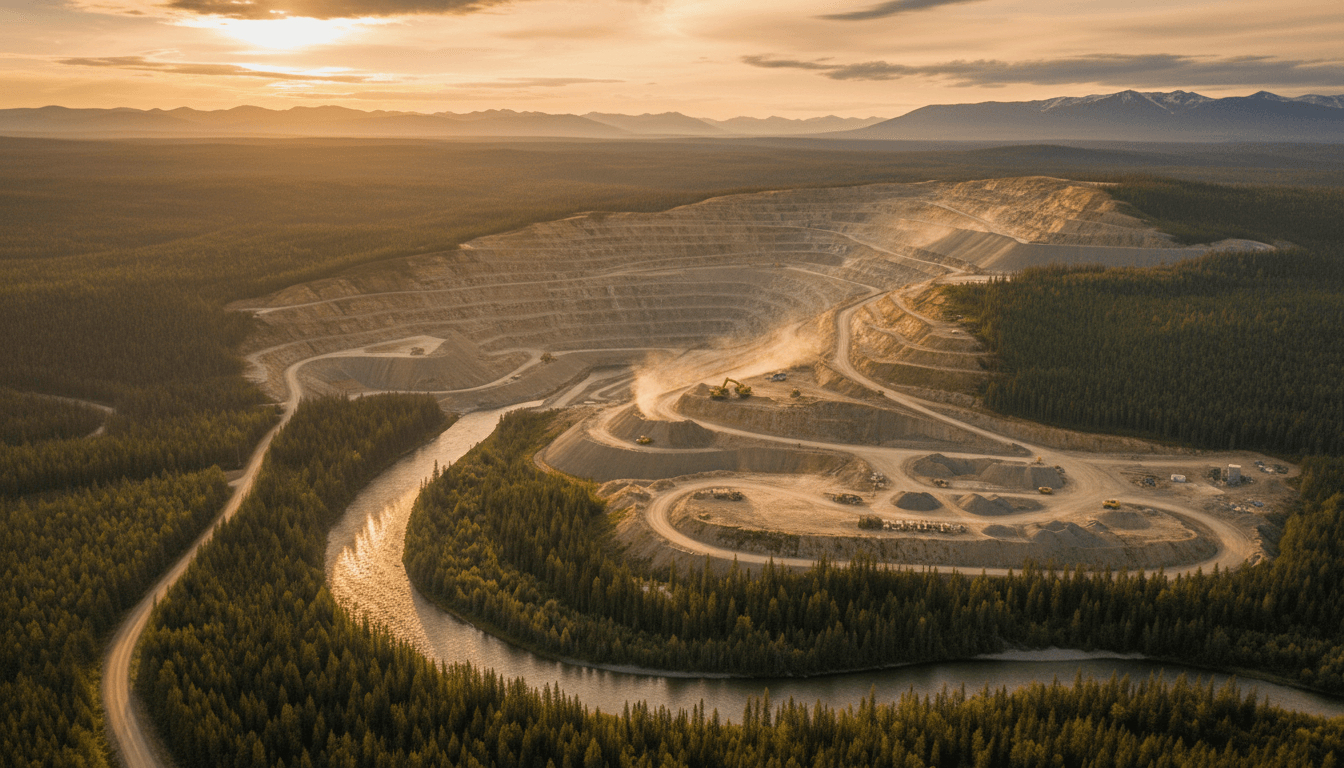
What Is a Metal Super Cycle?
A metal super cycle refers to a prolonged period—often lasting 10 to 20 years—during which commodity prices rise significantly due to sustained increases in global demand combined with limited supply growth.
Historically, super cycles occur when major economic transformations reshape global consumption patterns. For example:
-
The industrial revolution fueled demand for iron and coal.
-
The post–World War II reconstruction boom increased demand for steel and base metals.
-
The China-led industrial expansion in the 2000s drove a massive rise in copper, iron ore, and aluminum prices.
Today, a similar transformation is underway, powered by clean energy, electrification, and digital infrastructure.
Key Drivers Behind the New Metal Super Cycle
1. The Global Energy Transition
One of the biggest forces driving metal demand is the shift toward renewable energy and electrification. Technologies such as electric vehicles (EVs), wind turbines, solar panels, and battery storage systems require large quantities of metals.
For example:
-
Electric vehicles use significantly more copper than traditional cars.
-
Lithium, nickel, and cobalt are essential for battery manufacturing.
-
Rare earth metals are critical for permanent magnets used in wind turbines and EV motors.
As countries race to meet climate goals and reduce carbon emissions, demand for these metals is expected to surge.
2. Infrastructure Investment Worldwide
Governments across the globe are investing trillions of dollars in infrastructure to stimulate economic growth and modernize transportation, energy grids, and urban systems.
Major initiatives include:
-
Large-scale infrastructure packages in the United States and Europe
-
Rapid urbanization in emerging economies
-
Renewable energy infrastructure projects worldwide
These investments require massive amounts of steel, copper, aluminum, and zinc, further strengthening the case for a prolonged commodities boom.
3. Supply Constraints in Mining
While demand for metals is rising quickly, supply growth has struggled to keep pace.
Mining projects require years of exploration, permitting, and development before production begins. In many regions, environmental regulations, geopolitical risks, and declining ore grades are making new mining projects increasingly difficult.
As a result, the global mining industry is facing:
-
Limited new discoveries
-
Aging mines with declining output
-
Rising production costs
This imbalance between supply and demand can lead to sustained upward pressure on metal prices.
4. Electrification of Transportation
The shift from internal combustion engines to electric mobility is dramatically increasing the consumption of certain metals.
An average electric vehicle contains:
-
2–4 times more copper than a gasoline-powered car
-
Large quantities of lithium, nickel, and cobalt in its battery
-
Aluminum and steel in lightweight vehicle components
With governments worldwide promoting EV adoption through incentives and regulations, the automotive sector is becoming a major driver of metal demand.
Metals Expected to Benefit the Most
Copper
Often called “the metal of electrification,” copper is essential for power transmission, renewable energy systems, and electric vehicles. Analysts predict that copper demand could double by 2040 due to the energy transition.
Lithium
Lithium is a key component in lithium-ion batteries, which power EVs, smartphones, and renewable energy storage systems. As battery production expands globally, lithium demand is projected to increase dramatically.
Nickel
Nickel plays a crucial role in high-performance batteries used in electric vehicles. Battery manufacturers are increasingly turning to nickel-rich chemistries to improve energy density and vehicle range.
Rare Earth Elements
Rare earth metals such as neodymium and dysprosium are vital for powerful magnets used in EV motors and wind turbines. These materials are becoming strategically important for the clean energy economy.
The Role of Mining Exploration
As the demand for metals rises, mining companies are intensifying exploration activities to discover new deposits and expand existing operations.
Exploration companies play a critical role in the early stages of the mining lifecycle by identifying promising mineral resources. Successful discoveries can lead to the development of new mines that supply essential metals to global industries.
However, exploration is inherently risky and capital-intensive, making strategic partnerships and advanced geological technologies increasingly important.
Risks to the Metal Super Cycle
Although the outlook for metals appears strong, several factors could influence the trajectory of a super cycle:
-
Economic slowdowns in major markets
-
Technological changes reducing metal intensity
-
Recycling and circular economy initiatives
-
Policy shifts affecting mining and energy sectors
Despite these risks, the long-term structural drivers behind metal demand remain robust.
Conclusion
The world is undergoing a historic transformation driven by clean energy, electrification, and infrastructure development. These forces are reshaping global commodity markets and creating the conditions for a potential metal super cycle.
With demand accelerating for critical minerals and base metals, mining companies, investors, and policymakers are paying close attention to the evolving supply landscape. Whether through exploration, technological innovation, or sustainable mining practices, the race to secure the metals that power the future is well underway.
As the global economy continues its transition toward a more electrified and sustainable future, metals will remain at the center of this transformation-making the current cycle one of the most significant in modern economic history.
Explore more insights from A Mining Company
Hi, this is a comment.
To get started with moderating, editing, and deleting comments, please visit the Comments screen in the dashboard.
Commenter avatars come from Gravatar.