
Why Copper Supply Is Struggling to Keep Pace with Global Demand
Copper has become one of the most closely watched commodities in the mining industry. As economies invest in renewable energy, electric vehicles, and infrastructure modernization, the need for copper continues to climb. However, while demand is accelerating, expanding global copper supply has become increasingly difficult.
This growing imbalance is shaping investment decisions, encouraging exploration activity, and reinforcing copper’s position as one of the most important base metals in the global economy.
Rising Demand Across Key Industries
Copper is valued for its exceptional electrical conductivity, corrosion resistance, and durability. These qualities make it indispensable across a wide range of industries, including construction, transportation, manufacturing, telecommunications, and consumer electronics.
The shift toward clean energy has added another layer of demand. Wind farms, solar power systems, battery storage facilities, and electric vehicles all require significantly more copper than many traditional technologies. As governments and businesses continue investing in low-carbon infrastructure, copper consumption is expected to remain on an upward trajectory.
Urbanization in developing economies is also contributing to long-term demand. Expanding cities require extensive electrical networks, public transportation systems, and residential construction, all of which rely heavily on copper.
Why Expanding Supply Is So Challenging
Although copper demand continues to grow, increasing production is not a simple process. Discovering a commercially viable deposit is only the beginning. Mining companies must complete years of exploration, environmental studies, permitting, financing, and construction before a new mine can begin operating.
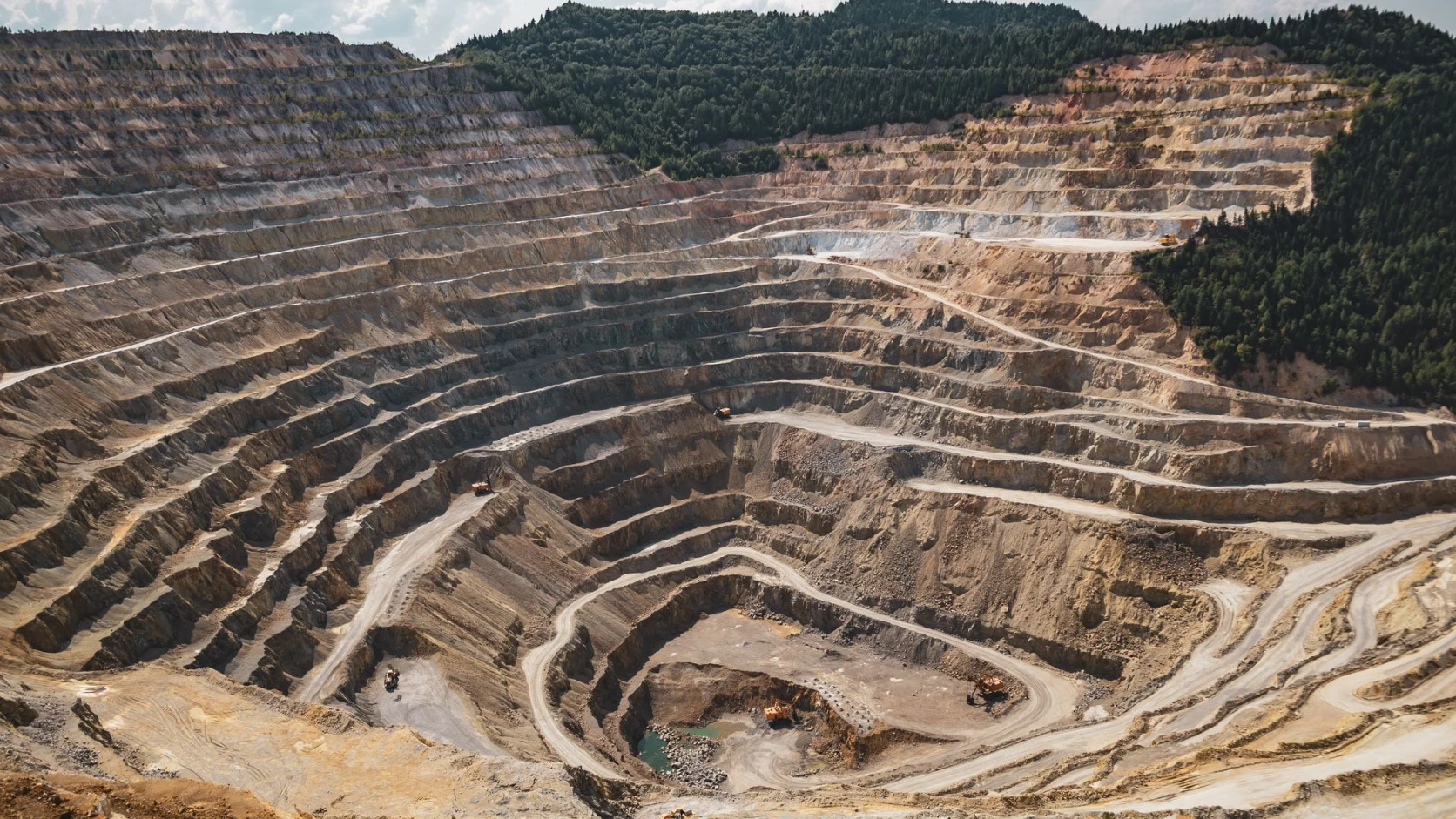
Many of the world’s existing copper mines are also producing lower-grade ore than in previous decades. Lower grades often require more material to be processed to produce the same amount of copper, increasing operational costs and reducing efficiency.
In addition, geopolitical uncertainty, stricter environmental regulations, and limited access to infrastructure can delay new mining projects, further tightening global supply.
Opportunities for Junior Mining Companies
These supply challenges have created opportunities for junior exploration companies. As larger producers seek to replenish their resource pipelines, successful exploration projects often attract strategic investment or acquisition interest.
Junior companies that consistently deliver promising drill results, expand mineral resources, and advance engineering studies can create substantial value over time. While exploration remains inherently risky, strong project execution and experienced management teams often distinguish the most promising companies from their peers.
Investors frequently monitor exploration news, financing activities, and resource updates to identify companies progressing toward important development milestones.
Long-Term Market Outlook
Most industry analysts agree that copper will remain a critical material for global economic development over the coming decades. Infrastructure investment, electrification, and technological innovation continue to support long-term demand, even as short-term price fluctuations occur.
Meeting future consumption will require continued investment in exploration, mine development, and recycling initiatives. Governments, mining companies, and investors all have a role to play in ensuring a stable and sustainable copper supply.
For those following the mining sector, understanding the relationship between copper supply and demand provides valuable insight into market trends and potential investment opportunities. As the world continues to modernize and transition toward cleaner energy systems, copper is expected to remain at the center of that transformation.