
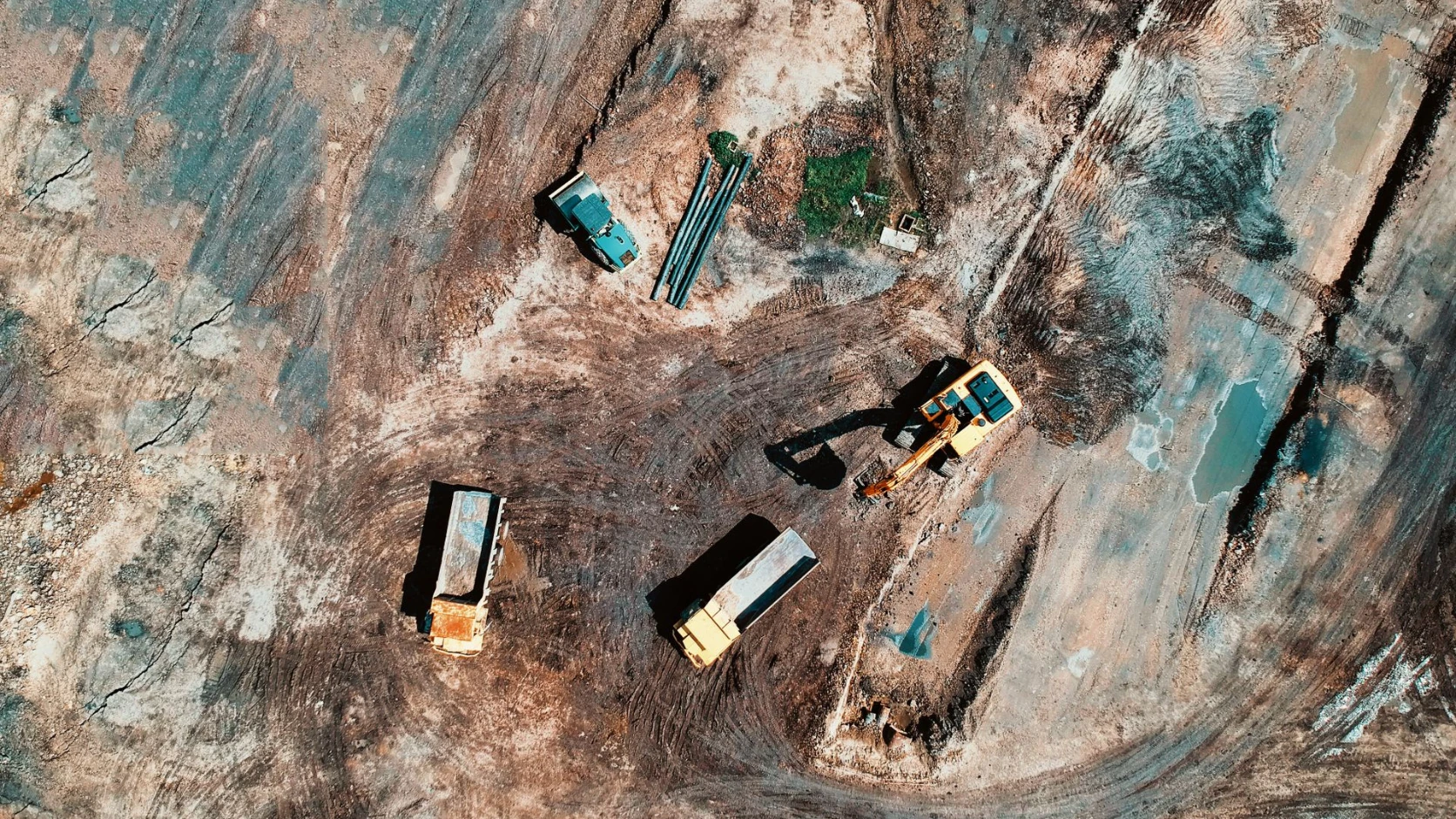
Sustainable Mining Practices Are Shaping the Future of Resource Development
The mining industry has always played a vital role in supporting economic growth, infrastructure, and technological progress. Today, however, the sector faces a new challenge-meeting the world’s increasing demand for minerals while reducing environmental impact and strengthening relationships with local communities.
As governments, investors, and consumers place greater emphasis on sustainability, mining companies are adopting innovative practices that balance resource development with environmental responsibility. Sustainable mining has evolved from a regulatory requirement into a long-term business strategy that supports operational resilience and investor confidence.
The Growing Importance of Responsible Mining
Demand for critical minerals such as copper, nickel, lithium, and rare earth elements continues to rise as countries invest in renewable energy, electric vehicles, and modern infrastructure. Meeting this demand requires ongoing exploration and mine development, but it must be achieved responsibly.
Mining companies are increasingly integrating sustainability into every stage of a project’s lifecycle, from exploration and construction to production and site rehabilitation. This approach helps reduce environmental risks while creating long-term value for stakeholders.
Responsible mining is becoming an important factor in securing permits, attracting investment, and maintaining a company’s social license to operate.
Reducing Environmental Impact
Modern mining operations are investing in technologies that minimize their environmental footprint. Water recycling systems, renewable energy installations, energy-efficient equipment, and improved waste management practices are becoming more common across the industry.
Many companies are also implementing advanced monitoring systems to track water quality, air emissions, biodiversity, and land disturbance in real time. These efforts allow operators to identify potential issues early and respond before they become significant environmental concerns.
Progressive land rehabilitation programs further demonstrate the industry’s commitment to restoring ecosystems once mining activities are complete.
Building Strong Community Partnerships
Successful mining projects depend not only on geology but also on positive relationships with local communities. Mining companies are increasingly working with Indigenous groups, regional governments, and local organizations to ensure development delivers lasting social and economic benefits.
Community investment programs often include local employment opportunities, workforce training, education initiatives, healthcare support, and infrastructure improvements. Open communication and transparent decision-making help build trust throughout the life of a mining project.
Companies that prioritize meaningful community engagement are often better positioned to achieve long-term operational success.
Innovation Supporting Sustainability
Technological innovation is helping mining companies achieve their sustainability goals. Automation, artificial intelligence, drone surveys, and real-time environmental monitoring improve efficiency while reducing unnecessary energy consumption and operational waste.
Digital technologies also enhance resource modeling, allowing companies to extract minerals more efficiently and reduce material losses. These improvements support both environmental performance and long-term profitability.
Innovation is proving that sustainability and operational efficiency can work together rather than compete.
The Investor Perspective
Environmental, Social, and Governance (ESG) performance has become an important consideration for many institutional and individual investors. Companies that demonstrate responsible environmental management, strong governance, and effective stakeholder engagement are often viewed as better positioned for long-term growth.
While financial performance remains essential, sustainable business practices increasingly influence investment decisions across the mining sector.
Looking Ahead
The future of mining will depend on the industry’s ability to supply the critical minerals needed for global development while protecting natural resources and supporting local communities. Companies that embrace sustainable practices, invest in innovation, and operate responsibly are likely to remain competitive in an evolving global marketplace.
For investors and industry professionals alike, sustainability is no longer simply a trend-it is becoming a defining characteristic of successful mining operations. As the sector continues to evolve, responsible resource development will play a central role in shaping the next generation of mining projects.