
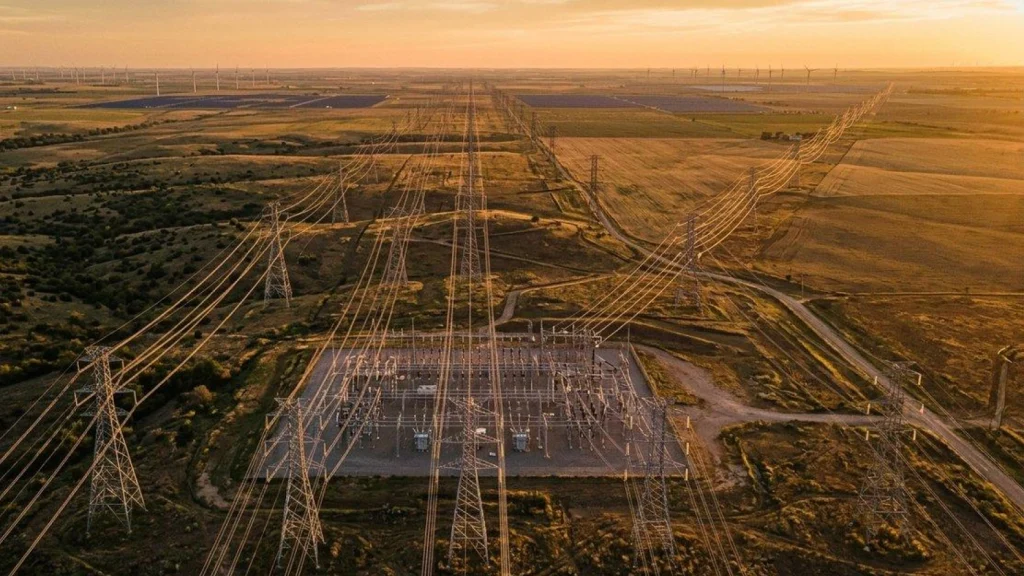
How Grid Modernization Is Driving Demand for Copper and Critical Minerals
The global transition to clean energy is about more than electric vehicles and renewable power generation. One of the most significant challenges facing governments and utility companies is modernizing aging electrical grids to support rising electricity demand. This transformation is creating new opportunities for mining companies producing copper, aluminum, lithium, nickel, and other critical minerals required for modern energy infrastructure.
As countries invest billions in upgrading transmission lines, substations, battery storage, and smart grid technology, demand for industrial metals continues to increase. For investors, grid modernization represents one of the strongest long-term growth drivers for the mining sector.
What Is Grid Modernization?
Grid modernization is the process of upgrading electricity transmission and distribution networks to improve reliability, efficiency, and resilience. Traditional power grids were designed for centralized power generation, but today’s energy systems must accommodate renewable energy sources, distributed generation, battery storage, and electric vehicle charging stations.
Modern grids rely on advanced technologies, including:
- High-voltage transmission lines
- Smart meters
- Battery energy storage systems
- Digital monitoring equipment
- Grid automation
- Renewable energy integration
Each of these technologies requires significant amounts of metals and minerals, creating sustained demand across the mining industry.
Why Copper Remains the Backbone of the Energy Transition
Copper is one of the most important materials used in electrical infrastructure. Its excellent electrical conductivity makes it essential for power transmission, transformers, electric motors, substations, and charging networks.
A single offshore wind farm, utility-scale solar project, or urban grid expansion can require thousands of tonnes of copper. As electricity demand continues to grow worldwide, mining companies exploring new copper deposits are becoming increasingly important to future supply chains.
Battery Storage Is Increasing Mineral Demand
Battery energy storage systems are becoming a critical part of modern electricity networks. These facilities store excess renewable energy and release it during periods of high demand, helping stabilize electricity supplies.
Large-scale battery projects depend on several critical minerals, including:
- Lithium
- Nickel
- Cobalt
- Graphite
- Manganese
As governments expand renewable energy capacity, battery storage installations are expected to increase significantly over the coming decades.
Renewable Energy Requires Stronger Infrastructure
Wind and solar projects are often located far from population centers, requiring new transmission lines to deliver electricity efficiently. Building these networks requires vast quantities of copper, aluminum, steel, and other industrial materials.
At the same time, utilities are replacing aging infrastructure with more reliable systems capable of supporting renewable generation and increased electricity consumption from electric vehicles.
Opportunities for Junior Mining Companies
Meeting future mineral demand will require the discovery and development of new mining projects. Junior exploration companies play a vital role by identifying new deposits and advancing projects toward production.
Exploration success, resource expansion, and strategic partnerships can significantly enhance project value, making junior miners an important part of the global critical mineral supply chain.
Companies focused on copper, lithium, nickel, and other energy transition metals may benefit from long-term investment driven by infrastructure development and electrification.
The Outlook for Investors
The modernization of electricity grids is expected to continue for decades as countries pursue energy security, carbon reduction goals, and economic growth. This structural trend supports continued demand for critical minerals while creating opportunities across the mining sector.
Investors seeking exposure to the global energy transition should monitor companies involved in copper exploration, battery metals, and infrastructure-related commodities. As new projects advance and supply challenges persist, mining companies developing high-quality assets could play a central role in powering the world’s future energy systems.
Stay informed with Junior Mining Trends for the latest news on copper exploration, critical minerals, battery metals, and the companies driving the next generation of energy infrastructure.