
Copper Market Outlook and the Future of Base Metals
As the global demand for copper continues to grow, the mining industry is exploring every possible avenue to secure long-term supply. While new discoveries and mine development remain essential, copper recycling has become an equally important part of the industry’s future. By recovering and reusing existing copper, manufacturers and mining companies can help meet rising demand while reducing environmental impacts.
Today, recycled copper plays a significant role in supporting industries ranging from construction and manufacturing to renewable energy and electric transportation.
Why Copper Is Ideal for Recycling
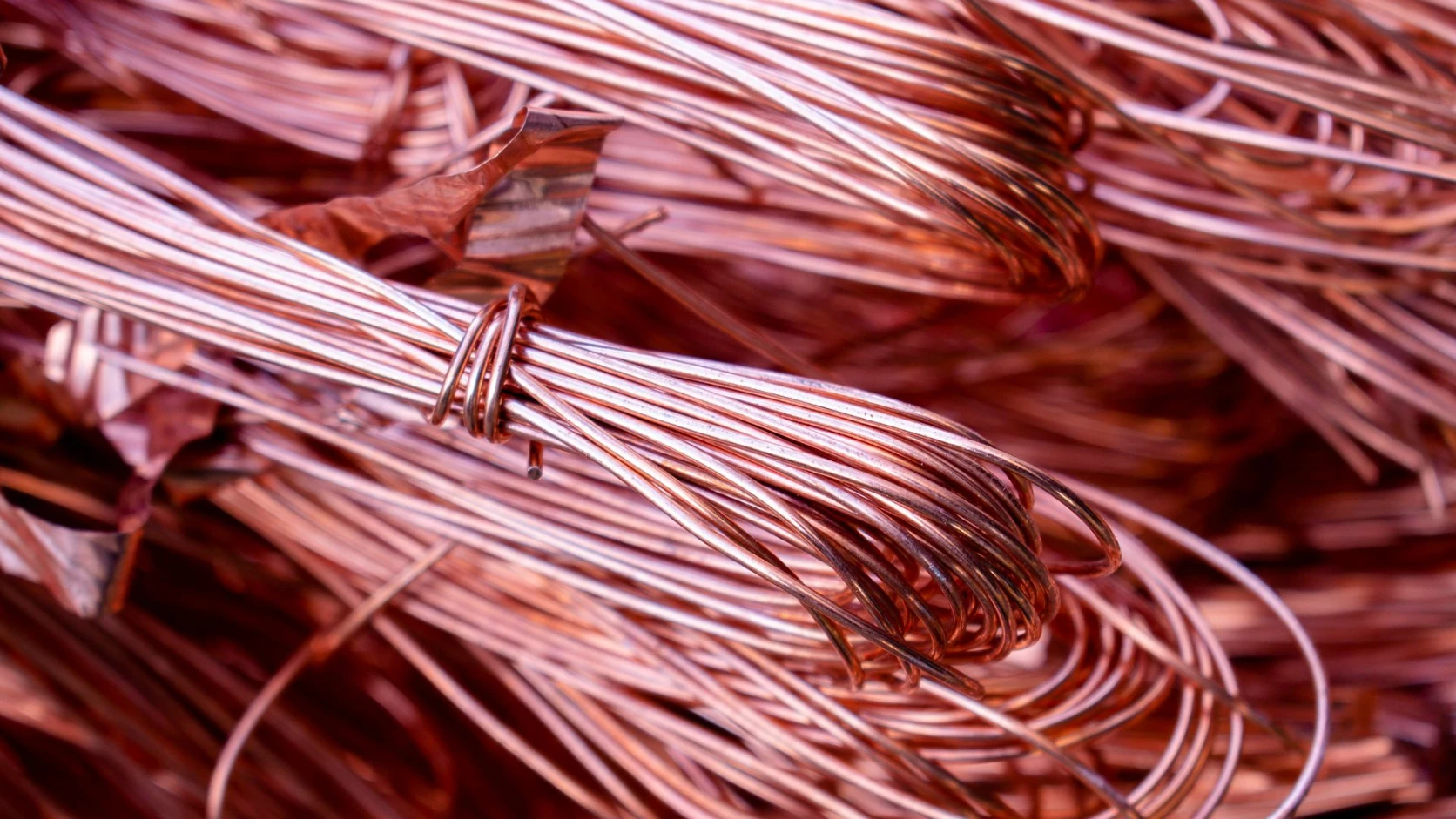
One of copper’s greatest advantages is that it can be recycled repeatedly without losing its physical or chemical properties. Unlike many materials that degrade after repeated use, copper retains its conductivity, strength, and durability throughout multiple recycling cycles.
This unique characteristic allows copper to remain in circulation for decades. Electrical wiring, plumbing systems, industrial machinery, electronics, and automotive components can all be recovered, processed, and transformed into new products.
Because of its long lifespan, a large percentage of the copper ever mined is still in use today.
Meeting Future Demand
Global infrastructure development continues to drive copper consumption. Expanding cities require extensive electrical networks, while renewable energy projects and electric vehicles depend on large quantities of copper for efficient power transmission.
Although recycling contributes significantly to supply, it cannot completely replace newly mined copper. Growing demand often exceeds the amount of recyclable material available, making primary mining and exploration essential for maintaining market balance.
Instead, recycled copper works alongside newly produced metal, creating a more resilient and sustainable supply chain.
Environmental and Economic Benefits
Copper recycling offers several environmental advantages. Producing refined copper from recycled materials generally requires less energy than extracting and processing ore from newly developed mines. This can reduce greenhouse gas emissions, conserve natural resources, and decrease the amount of mining waste generated during production.
From an economic perspective, recycling helps stabilize supply during periods of market volatility. Manufacturers gain access to additional raw materials, while mining companies can strengthen their sustainability strategies by integrating recycled materials into broader production systems.
As governments around the world introduce policies promoting circular economies, investment in recycling infrastructure is expected to continue growing.
Opportunities for the Mining Industry
Mining companies are increasingly recognizing that sustainability extends beyond mineral extraction. Many producers are investing in technologies that improve resource efficiency, reduce environmental impacts, and support responsible metal production throughout the entire supply chain.
At the same time, exploration remains vital for discovering the copper deposits needed to satisfy long-term global demand. The future of the industry will likely depend on a balanced approach that combines responsible mining, technological innovation, and expanded recycling capacity.
Companies that successfully integrate environmental stewardship with operational performance may be better positioned to attract investors and meet evolving market expectations.
Looking Forward
Copper’s importance in the global economy continues to expand as electrification, renewable energy, and advanced manufacturing reshape industrial demand. Recycling will remain a critical component of future supply, helping reduce pressure on natural resources while supporting sustainable development.
However, recycling alone cannot satisfy the world’s growing copper needs. Continued investment in exploration, mine development, and responsible resource management will be essential to ensuring a reliable supply of this indispensable base metal.
For investors and industry professionals alike, understanding the relationship between recycling and mining provides valuable insight into the future direction of the copper market and the broader base metals sector.